Buffy Ettmayer 1946-2023
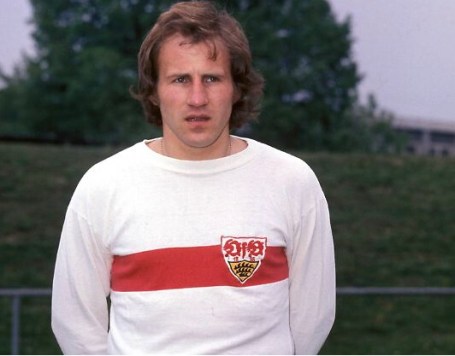 Er schoss Wacker Innsbruck 1970 in der Südstadt zum 1:0-Sieg im Cupfinale gegen den LASK und gewann damit den ersten Titel für die Tiroler, und er war ein Jahr später eine der Stützen beim ersten Meistertitel für Wacker: der Wiener Hans “Buffy” Ettmayer. Anschließend wechselte “Buffy” dann nach Deutschland zum VfB Stuttgart und begeisterte auch dort die Fans.
Am 26. Januar 1974 trug er sich mit dem insgesamt 10.000. Tor der Bundesliga zudem in die Geschichtsbücher ein, der Treffer wurde zugleich als Tor des Monats gekürt. In der deutschen Bundesliga war Ettmayer anschließend noch für den Hamburger SV aktiv, mit dem er unter anderem Europacup- und DFB-Pokal-Sieger wurde.
Den Spitznamen “Buffy” bekam Johann Ettmayer vom österreichischen Teamchef Leopold Stastny. Das tschechische Wort bedeutet „kleines Dickerchen“. Den 1,72 m großen Ettmayer begleitete die Meinung, dass er übergewichtig sei, während seiner ganzen Karriere und er machte tatsächlich aus seiner Vorliebe für Torten, Schaumrollen und auch ein „Burenhäutl” kein Hehl. Den “dicksten Bundesligaspieler aller Zeiten” nannte ihn Ben Redeling in einem sonst allerdings durchaus freundlichen Artikel. Er selbst nahm es locker: “Ich bin der einzige Österreicher, der seinem Rucksack vorne trägt”, meinte er einmal schmunzelnd in Bezug auf seine 85 kg bei nur 1.72 m Körpergröße.
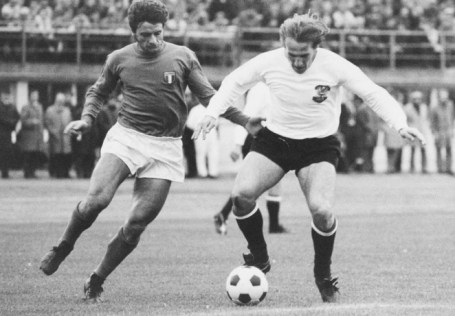 Obwohl er auf Klubebene zahlreiche Tore erzielte, blieb ihm das im österreichischen Nationalteam (oben) in seinen 30 Spielen zwischen 1968 und 1975 verwehrt. Gut erinnere mich noch (oder eigentlich blieb es mir in schlechter Erinnerung), dass “Buffy” auch einen Elfmeter nicht für Österreich verwandeln konnte.
Peter Linden berichtet darüber auf seinem Blog “Peter Linden Live: “Eigentlich unglaublich, dass einem Spieler mit dieser Schusskraft, der für Wacker Innsbruck in 137 Spielen 68 Tore erzielte, für Stuttgart 34 in 97, in 30 Länderspielen kein Tor gelang. Er traf Stange, Latte, alles, nur nicht ins Netz. Nicht einmal bei einem Elfmeter. Den vergab er 1970 im ausverkauften Wiener Praterstadion gegen Vizeweltmeister Italien. „Buffy“ scheiterte an Italiens Tormann Enrico Albertosi, Österreich verlor das EM-Qualifikationsspiel 1:2.”
Nun erreichte uns die Nachricht, dass Hans „Buffy“ Ettmayer am Samstag im 77. Lebensjahr verstorben ist. Der schlagfertige “Schmähbruder” ist für immer verstummt. Die Erinnerung an “Buffy” wird lebendig bleiben. Den Ehrentitel HANSE DER WOCHE, den der RapidHammer dem Johann Ettmayer hiermit posthum verleiht, hat sich der zu früh verstorbene Goalgetter wirklich verdient!
Saturday Fever
How football used to be. Includes clips from Spurs v Man City in the 1960 season. Also snippets of Wolves, Cardiff and Celtic fans arriving at their games.
WHU Goal Given by VAR
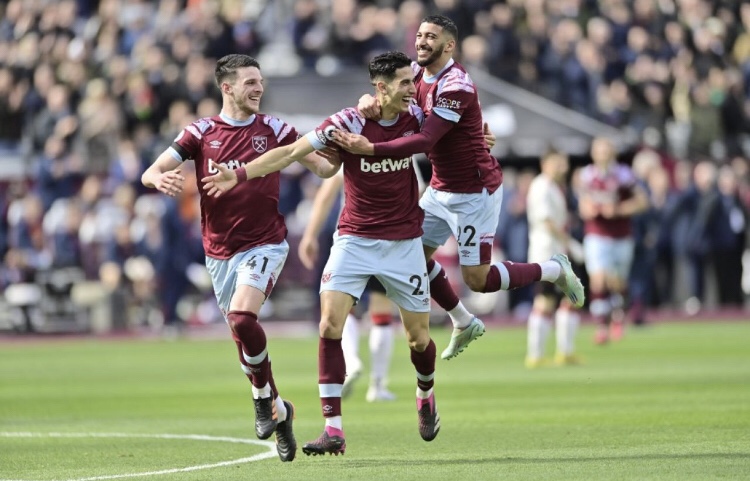
Nayef Aguerd headed a free-kick into the Saints’ goal in the 25th minute of Sunday’s relegation “six pointer”. The goal was given after a lengthy VAR check. Assist: Thilo Kehrer. It was Aguerd’s first Premier League goal!
West Ham 1 Southampton 0

The goal made the nervy Hammers team stronger and play with more confidence for the rest of the first half. But in the second half the Saints were the better team again and West Ham were sitting deep and somehow getting the win over the line.
Knowing that the loser of this game would finish the day bottom of the Premier League, David Moyes’s approach was very cautious and the Hammers played quite passive in a very anxious London Stadium.
Very important 3 points, but an unconvincing performance which won’t win over Moyes’s critics. “I would still sack Moyes today and appoint Rodgers [who got sacked recently at Leicester] before an other team take him,” a West Ham fan tweeted after this important win.
And a Leicester fan suggested a manager swap: the West Ham fans would be happy with taking Brendan Rodgers, he said, and he would take Moyes for the rest of the season, too.
That won’t happen of course. Well it was a win, but not a victory that has brought much relief to the London Stadium. The relegation fight is still on and West Ham now are hoping for a point or another three in the next game against Newcastle at home on Wednesday.
Come on you Irons!
“Climate King” in Germany
Though eyebrows were raised when it was announced that King Charles’s first state visit since ascending the throne would be to Europe rather than to a Commonwealth nation, and his visit to France was postponed amid unrest over pension reforms, the monarch’s visit to Germany was a big success. (Quotes from The Telegraph)

The undoubted success of the King’s German visit and the warmth of the welcome he and the Queen have received shows it to have been a good choice for the beginning of his reign. The King’s German antecedents are well-known but his own personal association perhaps less so. He has been to the country 40 times, the first when he was a 13-year-old, and demonstrated his facility with the language by delivering much of his speech at the Bundestag in Berlin in German. It was warmly received by German MPs, who responded to the King’s evident love of their country and whose good humour and cultural references were greatly appreciated.
This visit is all of a piece with Rishi Sunak’s efforts to reset the UK’s relationship with Europe, an ambition that the King shares, judging by his welcome for the EU Commission president Ursula von der Leyen at Windsor recently. Showing the leaders of Europe’s biggest nation that Britain remains a friendly and influential neighbour is part of that strategy. As with the late Queen’s in 1965, this state visit feels like the beginnings of a new era in Anglo-German relations.
“Our countries are working together to promote global health, to help developing countries overcome their challenges and prosper and to advance the urgent and vital journey towards net zero.”

Some German newspapers have dubbed Charles III the “Climate King” and “King Cool”, and asked whether King Charles would vote Green. They declared “A king is supposed to be neutral. When it comes to environmental and climate protection, Charles is not. He can’t vote. But he would vote green if he could.” They also said that the King, who has visited Germany over 40 times, “sees us Germans as natural allies in this ecological revolution.”
Renate Künast, a senior MP for the Green Party which is currently part of the German coalition government, said she once met Charles for tea and cucumber sandwiches at Highgrove when she was a minister and called him “a Green King”.
Though Charles avoided the word “Brexit”, he also referenced to it, saying that despite the UK’s withdrawal from the EU, the bond between the two countries “will remain firm”.
After his visit to Berlin and the speech at the “Bundestag” the King visited Hamburg, Germany’s “most British city”, where hundreds of well-wishers braved the rain to cheer the King and Queen consort. Many were impressed that he had come in a normal Intercity Express train and paid for his own ticket.
The King stood shoulder to shoulder with Germany’s president in a symbol of reconciliation as they laid wreaths in remembrance of the victims of war and the bombing of Hamburg.
In the ruins of a bombed out Hamburg church, destroyed like much of the city by Second World War Allied raids, King Charles and Frank-Walter Steinmeier stood motionless after leaving floral tributes.
The King’s wreath of poppies featured a handwritten card with the poignant message “In everlasting remembrance“ with the same words in German below and the signature “Charles R”. Queen Consort Camilla left her own tribute of a single white rose.
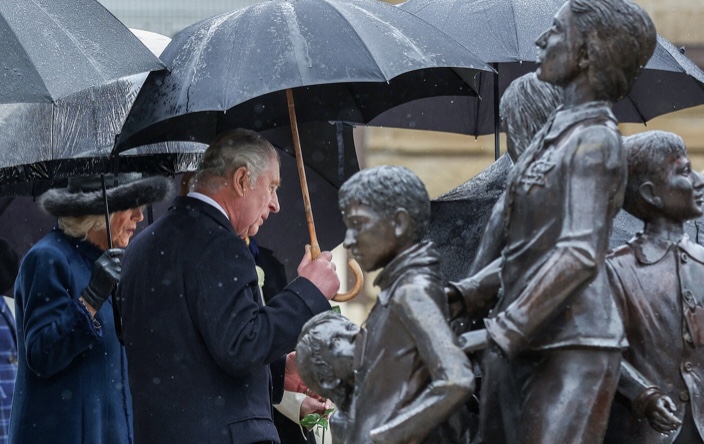
She had earlier laid a white rose on the bronze Final Parting kindertransport sculpture, which was erected in 2015 and depicts two groups of children – those who were evacuated to new lives abroad and the thousands transported by train to concentration camps.
Created by Frank Meisler, it is one of five such installations across Europe, one of which is at Liverpool Street Station in London (below).

Lisa Bechner, a second generation survivor who was awarded an honorary MBE in 2022 for services to UK-Germany relations and the British commemoration of the kindertransport rescue effort, said: “Even as Prince of Wales, the King was very supportive and people from the kindertransport scheme memorial meet every five years at Buckingham Palace or St James’s Palace.
“Now, with this Royal visit, it is the first time the German government are showing appreciation of the sculptures and that is why it is important.”
Between November 1938 and August 1939, thousands of children were bundled onto trains and travelled unaccompanied by their parents to countries whose language and culture they did not know. Few saw their families again.
The UK continued to accept children and young people until 1943, taking in 10,000 in total.
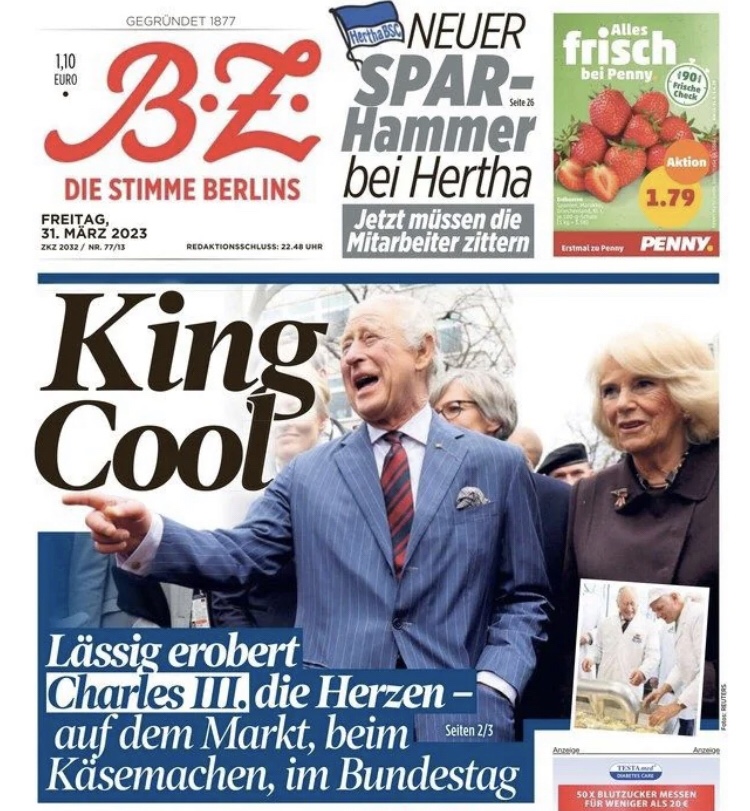
Focus Magazine even asked if it was time Germany had a good-tempered King of their own following the disastrous reign of Kaiser Wilhelm, the country’s last King who was seen as indecisive and ineffective during the First World War.
Correspondent Ulrich Reitz asked, “after this humorous, warm-hearted and simply winning performance by Charles, many may be wondering whether such a king would not do us Germans good”.
The differences between Charles and Wilhelm were “not only in character”, he said.
“Charles is trying to bring about peace in his country. Wilhelm cultivated strife at home and elsewhere, and German megalomania, a legacy Germans still gnaw on.”
Auch Fußball kommt vor…
…in der Rede von König Charles III. im deutschen Bundestag bei seinem ersten Auslandsbesuch als König.

Four points, nine teams
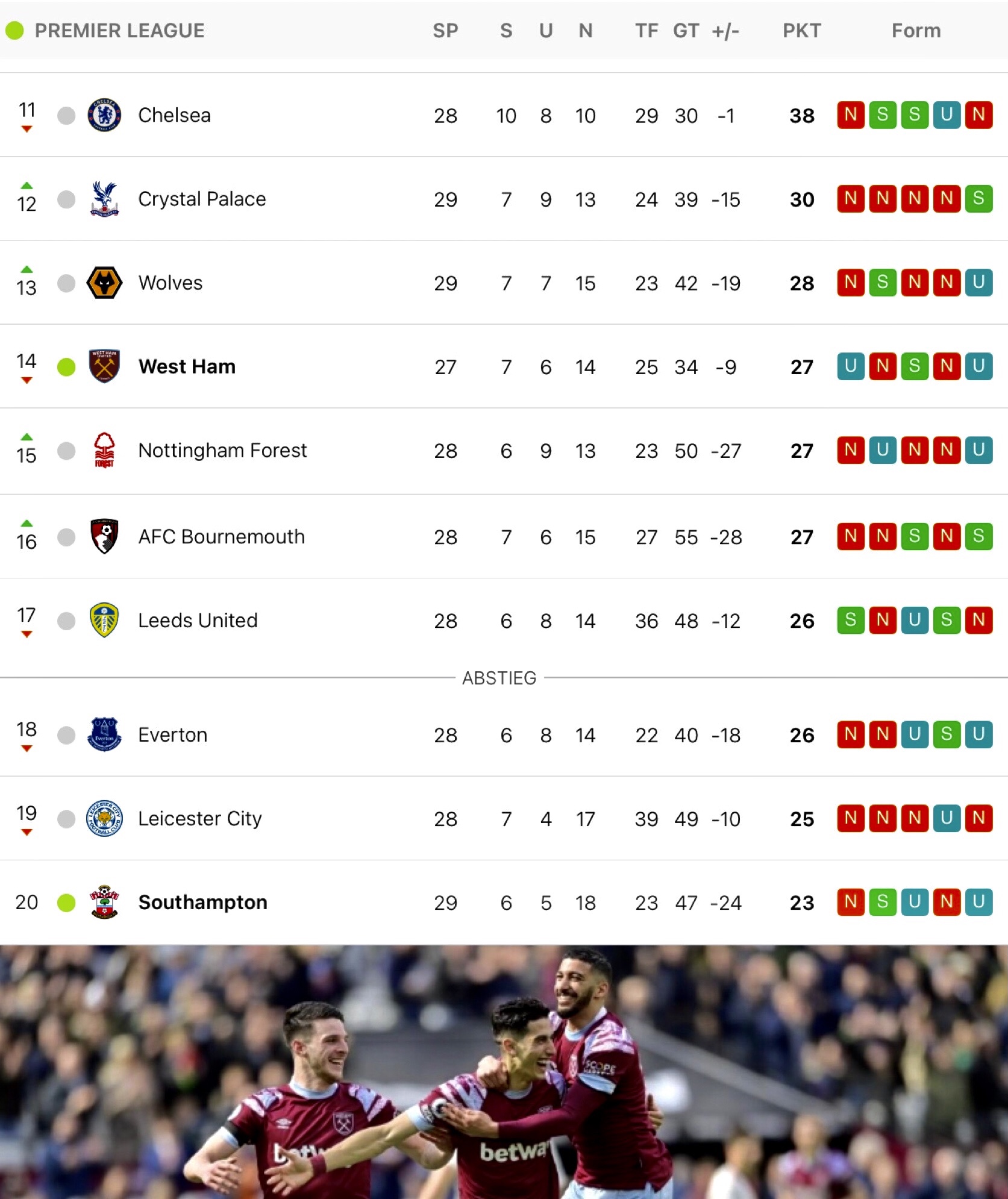
The Premier League is back after the international break this weekend with ten rounds to go and it looks set for its tightest relegation battle ever this season with almost half of its clubs in danger of the drop. Just four points are separating nine teams: Southampton in 20th and Crystal Palace in 12th.
Aston Villa, ranking eleventh in the table, is already safe: they are eleven points ahead of Crystal Palace where Roy Hodgson has again returned to managing at the age of 75, following the sacking of Patrick Vieira.
“Never before has the league seen its bottom nine clubs so bunched at such a crucial juncture in the season,” Chris Sutton writes in the Daily Mail. There are currently just four points between 12th-placed Crystal Palace and 20th-placed Southampton – the fewest amount of points ever separating the bottom nine teams in the Premier League at this stage of a season.
It has been said of lots of the teams down there that they are “too good to go down, but three must go”, and with nine teams in the mix the question of relegation looks set to go down to the final day.
Sutton offers his assessment of each side’s survival hopes with his worryometer ahead of a dramatic final few months with ten rounds and some additional fixtures which have been postponed to play.

That’s what the pundit has to say on West Ham United and their opponents on Sunday:
18th: West Ham Utd – 24 points
“David Moyes is probably sick of hearing how close he is to the sack. One loss can be the end of you and West Ham’s next game against Southampton is as big as they come. Moyes knows the pressure he is under.
“Third bottom in the Premier League, West Ham are another team who cannot buy a win away from home. They have been relying on the London Stadium, but the atmosphere could turn ugly if they lose to Southampton. Still, I expect West Ham to survive.”

20th: Southampton – 23 points
“Saints were right to get rid of Nathan Jones (who succeeded Ralph Hasenhüttl). He was only in charge for three months – and that included the World Cup – but they are still trying to bounce back from the damage.
“Ruben Selles has taken over and picked up a few nice results, including a 1-0 win at Chelsea. They need bravery and to take risks if they are to survive. Ultimately, I think they have too much to do and that’s why my worryometer is off the charts.”

With so many clubs and their managers, staff, players and supporters in fear of relegation, it’s quite fitting that in Nicky Gumbel’s Bible in One Year today’s passages are under the heading: “How to Overcome Your Fears” (Psalm 39:1-13).
“Blowing Bubbles“ auf Österreichisch
Der Freitagabend brachte zwei Premieren: das erste Länderspiel in der von Architekt Harald Fux geplanten, neu eröffneten Linzer Raiffeisen Arena auf der Gugl und die Stadionaufführung des neuen Nationalteam-Songs, in dem sich Teamchef Ralf Rangnick und seine Spieler durchaus selbstironisch von den Austropoppern Christopher Seiler und Paul Pizzera auf die Schaufel nehmen lassen. Immerhin erinnert der Refrain des Songs an die zweithöchste Niederlage in der langen Geschichte des österreichischen Nationalteams, ein 0:9 gegen Spanien, und das damals von Verteidiger Anton Pfeffer gegebene Pauseninterview.
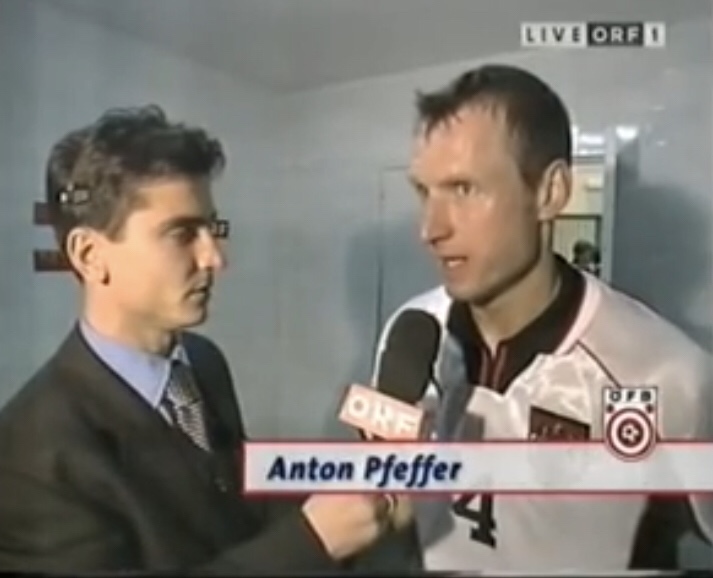
„Hoch wer ma‘s nimma g‘winnen, des is amoi klar”, sagte Toni Pfeffer zur Halbzeit beim Stand von 5:0 für Spanien. Das Spiel in Valencia am 27. März 1999 endete schließlich 9:0. Nur gegen England hat das ÖFB-Team noch höher verloren: am 8. Juni 1908 siegten die Three Lions in Wien 11:1.
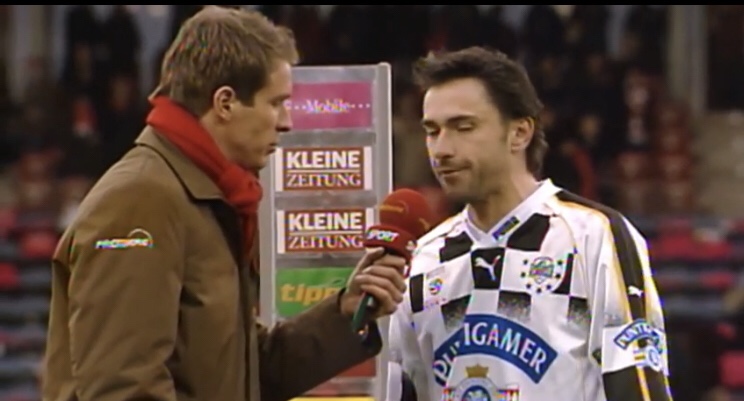
Aber auch die Journalisten bekommen im Mittelteil der Nummer ihr Fett ab, indem Rangnick, David Alaba und Conny Laimer einen legendären Sager aus dem Interview von Günther Neukircher nach einer 0:4 Derbyniederlage des SK Sturm gegen den GAK zitieren: Mit „Des is de nächste deppate Frog“ beendete der damals sichtlich genervte Neukircher ein Interview im Februar 2005, in dem der Reporter Gerhard Krabath nach dem Schlusspfiff vom Sturm-Spieler wissen wollte, ob die Blackies Angst vor einer noch höheren Niederlage gehabt hätten und froh über den Abpfiff gewesen seien.
Dass man in dem ÖFB-Song, der zum Beginn der am Freitag gestarteten EM-Qualifikation für Deutschland 2024 herausgebracht wird, auf Niederlagen und die Gefühle von Fußballern in durchaus selbstironischer Weise Bezug nimmt, ist sympathisch und es lässt über die schon etwas eigenartige Rahmenhandlung des Videos – einen Einbruch in das Wiener Praterstadion mit einem gefesselten und geknebelten Wachmann als Schlusspointe – hinwegsehen. Trotz Niederlagen den Stolz und Optimismus nicht zu verlieren, ist für eine Fußballnation wie Österreich, deren größte Erfolge Jahrzehnte zurückliegen (vierter Platz bei der WM 1934, dritter Platz bei der WM 1954 und 7. Platz mit Sieg in Córdoba über Deutschland bei der WM 1978), durchaus (überlebens)wichtig. Und mit dem 4:1 Sieg über Azerbaijan zum Auftakt der EM-Qualifikation am Freitag kann man auch wieder durchaus optimistisch sein und hoffen, dass das Team es zum dritten Mal in Folge schaffen kann, an einer EM-Endrunde teilzunehmen – auch wenn es zuletzt mit der WM-Qualifikation wieder nicht geklappt hat und Österreich trotz durchaus guter Leistungen aus der A-Gruppe der Nations League absteigen musste.
Seine Träume trotz Niederlagen und Rückschlägen nicht aufzugeben, das ist etwas, das man im Fußball und allgemein im Sport fürs Leben lernen kann. Nach jedem erfolglosen Wochenende gibt es bis zum Ende der Meisterschaft ein neues Spiel, in dem es wieder um drei Punkte für den Sieg geht; nach einer Niederlage im ersten K.O. Spiel im Europacup hat man im Rückspiel eine zweite Chance; und nach dem Abstieg aus einer Liga beginnt eine neue Meisterschaft, in der der Wiederaufstieg geschafft werden kann. Im Sport wie im Leben ist es wichtig, auch im Scheitern den Mut nicht zu verlieren und wieder optimistisch in die Zukunft zu blicken, die „Trotzmacht des Geistes“ (Viktor Frankl) zu aktivieren und trotz widriger Umstände sein Schicksal in die eigene Hand zu nehmen.
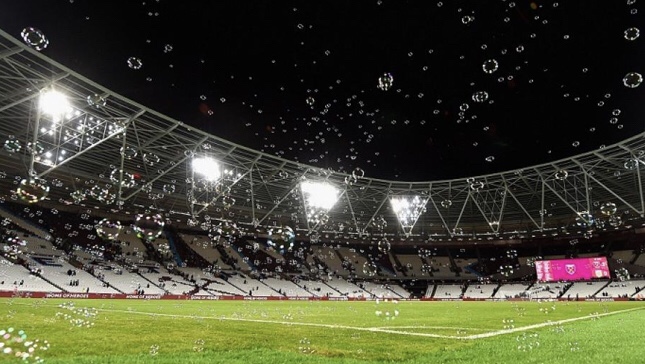
Und da tut sich nun die im Titel dieses Posts angesprochene Parallele zu West Ham United‘s Klubhymne “I’m Forever Blowing Bubbles“ auf, denn auch dieses Lied handelt vom immer wieder benötigten Optimismus und Nichtaufgeben, auch wenn hochfliegende Träume zerplatzen sollten wie Seifenblasen:
“I’m forever blowing bubbles, pretty bubbles in the air. They fly so high, nearly reach the sky, then like my dreams they fade and die”.
Es wird sogar noch ein bisschen schlimmer und resignierter in diesem seit den Zwanzigerjahren bei West Ham-Spielen gesungenen Lied: “Fortunes always hiding, I’ve looked everywhere”. Aber dann schließt der Refrain mit einer optimistischen, hoffnungsvollen Note, denn es wird nicht aufgegeben, weiterhin werden die Seifenblasen fliegen und in allen Farben schillern: “I’m forever blowing bubbles, pretty bubbles in the air”, wiederholt man hoffnungsfroh am Ende, und im Fußballstadion wird dann noch rhythmisch geklatscht und “United, United, United!” gerufen.
Und es stimmt: nur gemeinsam kann ein Team etwas erreichen, aus der “Trotzmacht des Geistes” des Einzelnen muss im Mannschaftssport ein optimistischer Teamspirit erwachsen, zu dem im Optimalfall dann noch die Anfeuerung von den Rängen das Ihre dazu beiträgt, dass nicht aufgegeben wird und eine Mannschaft über sich hinauswachsen kann!
Bei West Ham bedarf es in dieser Saison tatsächlich noch einiger gemeinsamer Anstrengung, um den Abstieg aus der Premier League zu verhindern. Obwohl Manager David Moyes im Sommer ordentlich in die Verstärkung seines in den letzten beiden Saisonen erfolgreichen, zweimal hintereinander für den Europacup qualifizierten Teams investiert hat, kommt West Ham in der Meisterschaft nicht vom Fleck und steckt mitten im Abstiegskampf.
Dafür darf in der UEFA Europa Conference League davon geträumt werden, dass die Hammers zum ersten Mal seit den Finalspielen im FA Cup 1980 und 2006 und im Europacup 1965 und 1976 wieder in ein Finale kommen. Aktuell stehen sie im Viertelfinale, in dem es am 13. und 20. April gegen KAA Gent geht und bei einem Erfolg die Chance besteht, gegen den Sieger aus der Paarung Anderlecht / AZ Alkmaar um den Einzug ins UECL-Finale in Prag zu spielen.
Im Vorjahr schied West Ham im Halbfinale der Europa League gegen den späteren Finalsieger Eintracht Frankfurt aus, aber heuer will man die Chance auf das Finale nutzen. Optimistisch wie die Hammers-Fans sind, haben einige schon ihr Hotel in Prag für den 7. Juni 2023 gebucht, wenn in der Eden Arena das Conference League-Finale steigt. Dieses Stadion ist die Heimstätte von SK Slavia, dem früheren Klub der West Ham-Spieler Tomas Soucek und Vladimir Coufal.
Es darf also geträumt werden: bei den Hammers von einem Ausflug in die „Goldene Stadt“ und bei der österreichischen Nationalmannschaft, dass der Titel „Hoch gwinn mas (n)imma“ das Team zur EM 2024 nach Deutschland begleiten möge!
“I’m forever blowing bubbles!”
Road to the Final

The Hammers are set to face the Belgian Pro League side at Ghelamco Arena in the first leg on Thursday 13 April, with kick-off at 6.45pm CEST (5.45pm BST), before hosting the return leg under the London Stadium lights at 8pm BST on Thursday 20 April.
The Hammers have faced Gent previously, beating the then-Belgian Cup winners 2-1 on aggregate in the first round of their glorious 1964/65 European Cup Winners’ Cup run. West Ham won the final in 1965 at Wembley Stadium against TSV 1860 Munich (2-0, goals: Alan Sealey 2).
„HANSE DER WOCHE“ Erling Haaland

Erling Haaland scored incredible five goals within 37 minutes in Manchester City’s second leg Champions League victory over RB Leipzig. The 22-year-old, former RB Salzburg and Borussia Dortmund player rewrote the record books by scoring five times as Manchester City reached the Champions League quarter-finals.
Haaland becomes the fastest and youngest player to reach 30 goals in Europe’s elite club competition. He has scored incredible 1,32 goals per game in the Champions League, compared to Cristiano Ronaldo‘s and Messi‘s 0,8.
He is also the youngest player to score five times in a single Champions League game, joining Argentina great Lionel Messi and Brazil forward Luiz Adriano as the only players to do so.
The 22-year-old is now on 39 goals for the season in all competitions, the first City player to reach that figure in a single campaign. His five hat-tricks are three more than any other player in the big five leagues.
 EXTRA TIME
Recent Comments